
Best Ways to Show Empathy in Ladyboy Dating

Empathy is the difference between “fun chat” and “real connection.” It’s how you signal, I get you, I’m paying attention, and I care about what life feels like on your side of the screen. In ladyboy dating, empathy builds trust faster than looks or fancy lines, because it shows self-awareness, respect, and the willingness to learn.
Think of this guide as your playbook for earning points the right way—through presence, not pressure; curiosity, not control. Use these approaches to make your messages warmer, your video calls safer, and your plans more thoughtful.
Listen like it matters—and reflect back what you heard
Empathy begins with listening that goes beyond waiting for your turn. When she shares something—work stress, a family story, a big goal—reflect it back in your own words before adding your take. That simple mirror proves you weren’t just skimming.

Try lines like: “So the shift was chaotic, and you still helped a coworker. No wonder you’re wiped—but also proud.” Or, “If I’m hearing you right, you’re excited about hormones but cautious about side effects. Want me to listen, or help research?”
Reflection reduces misunderstandings and gives her space to correct any details. When people feel accurately seen, they lean in.
Get identity right—consistently and without fuss
Names and pronouns aren’t small talk; they’re dignity. Use the name she chooses everywhere—profile, messages, and when you talk about her with others online. If you stumble, repair promptly: “Thanks for correcting me. I’ve updated my contacts so I don’t slip again.”
Don’t quiz her body or transition for curiosity’s sake; let her lead on what she wants to share and when. Empathy also means noticing context: some settings feel safer than others, so ask how she prefers to be introduced in public digital spaces. Getting this right isn’t “points”—it’s baseline respect that makes everything else possible.
Ask permission before offering advice or solutions
Not every share is a request for fixes. Empathy checks what kind of support is wanted today. Try: “Do you want ideas, a distraction, or just a listener?” That one sentence prevents the classic mismatch—when you start optimizing calendars and she really needed a soft place to land.
If she asks for help, make it specific and light: “Want me to gather two clinic options and you pick?” If she just wants a listener, keep your replies short and warm, and circle back the next day with a caring follow-up. Advice is useful; permission-based advice is loving.
Respect time zones and routines—then show up reliably
Nothing says “I get you” like designing the relationship around both lives. Set two or three overlap windows you can keep most weeks. If a call slips, leave a quick video note: “I’m still here, can’t wait for tomorrow.” Reliability is romantic because it turns attention into safety.
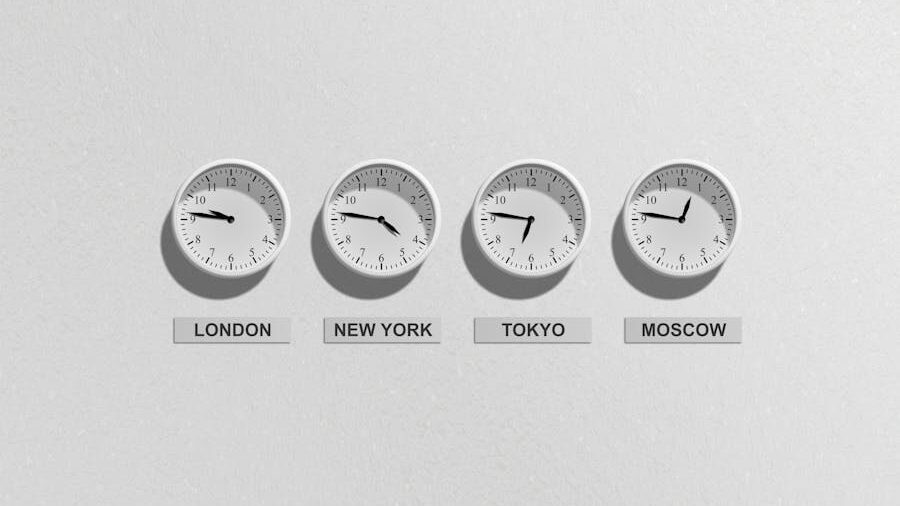
Empathy also means reading the clock on her side: don’t expect midnight debates on a work night, or instant replies during family hours. When people don’t have to defend their sleep, schedule, or boundaries, they bring more of their best selves to the connection.
Be culturally curious without turning her into a lesson
Culture shapes humor, pace, family roles, and public affection. Ask about what matters and how holidays feel in her world. Offer your own “insider” notes too, so it’s an exchange, not an interview.
Keep the curiosity kind: laugh at your mispronunciations, not at traditions. Share small things you’re learning—“I practiced that phrase; rate me brutally!”—and pair them with real questions: “Is there a greeting that feels extra respectful to elders?”
Empathy here is about treating differences like textures to learn, not hurdles to judge.
Name feelings, not just facts
Facts are schedules, plans, prices. Empathy lives in feelings: anxiety before a clinic visit, pride after a win, relief when a boundary was respected. Put words to those emotions so she doesn’t have to carry them alone. “I hear nervous and determined in what you’re saying,” or “That message from your cousin sounded minimizing; I’d be frustrated too.”
When you name the emotional layer accurately, you’re validating her internal world. Bonus points for celebrating the good stuff just as vividly: “That outfit photo isn’t just pretty—you look comfortable in your skin. I love seeing that.”
Repair small misses quickly—without defensiveness
Misfires happen: tone confusion, late replies, jokes that land flat. Empathy doesn’t avoid all mistakes; it cleans them up well. Use a simple flow: name it, own it, empathize, adjust. “I went quiet after your update. That’s on me. I can see how that felt dismissive. Next time I’ll send a quick ‘thinking of you’ even if I can’t talk yet.”

Keep it short; don’t beg for reassurance or flip the script to your stress. Fast, clean repairs add trust credits. The message becomes: your feelings matter more to me than being right.
Hold clear boundaries around money, intimacy, and pace
Empathy isn’t over-giving; it’s healthy giving. That means making space for both people’s comfort. Keep money out of early chats; if gifts come later, agree on what feels light and pressure-free.
Discuss intimacy with care and consent—no coercion, no sulking. Pace the relationship in stages (text → voice → short video → longer video → visit) so safety grows alongside attraction. When you hold these lines kindly—“I like you; here’s what keeps me comfortable”—you show you can protect the connection from both outside pressure and your own impulses. That’s deep empathy in action.
Celebrate wins and sit with lows—without making it about you
Empathy expands and softens the moment for the other person. If she nails a job task, pass an enthusiastic, specific note: “You handled that client and kept your boundaries—chef’s kiss.” If her day implodes, keep your presence steady and light: “I’m here. Want a quiet call or a silly distraction?”
Resist the urge to one-up with your own stories. When she’s up, shine the light on her; when she’s down, turn your volume down and widen the space. The skill is matching her emotional weather, not changing it.
Make care tangible: tiny actions that show you were listening
Empathy becomes real when it turns into doing. Build a small ritual: a morning voice note on her early shift days; a scheduled message that lands right before an appointment; a playlist that matches her current mood; a quick “I handled the research” when she asked for help.

Keep a lightweight “Us” note where you jot favorites—snacks, colors, comfort TV, phrases that soothe—then use it. None of this needs grand gestures. It’s the accumulation of thoughtful micro-moves that says, your inner world matters enough for me to remember and act.
Quick phrases that carry empathy without sounding scripted (Bonus)
- “Do you want ideas, or should I just listen tonight?”
- “I’m hearing proud and exhausted—both make sense.”
- “Thanks for trusting me with that. How can I make today easier?”
- “I won’t rush you. I’m here at your pace.”
- “I learned how to say this properly—tell me if I’m close.”
Use them as starting points, then adjust to your voice. The goal is to sound like you—just a more attentive you.
Red flags empathy should not cover
Empathy isn’t endless patience for disrespect. If someone repeatedly ignores your boundaries, refuses basic identity respect, pressures for money or explicit content, or explodes when you go slower than they want, step back.
You’re not obligated to be “understanding” about behavior that makes you small. Healthy empathy protects both people—including you.
Put it together this week
Choose two of these ideas and plug them into your routine. Maybe you start with a permission check (“advice or listener?”) and add a reflective summary after your next call. Maybe you firm up time-zone windows, or build a tiny ritual around her big Thursdays. Keep it simple and repeatable. Empathy isn’t a speech; it’s a set of habits that make the relationship feel safer, kinder, and more alive every day.
If you’re ready to meet people who value this kind of thoughtful connection—who listen well, repair quickly, and make space for each other’s lives—join My Ladyboy Date. It’s a community built for real matches, where empathy is normal and respect is non-negotiable.